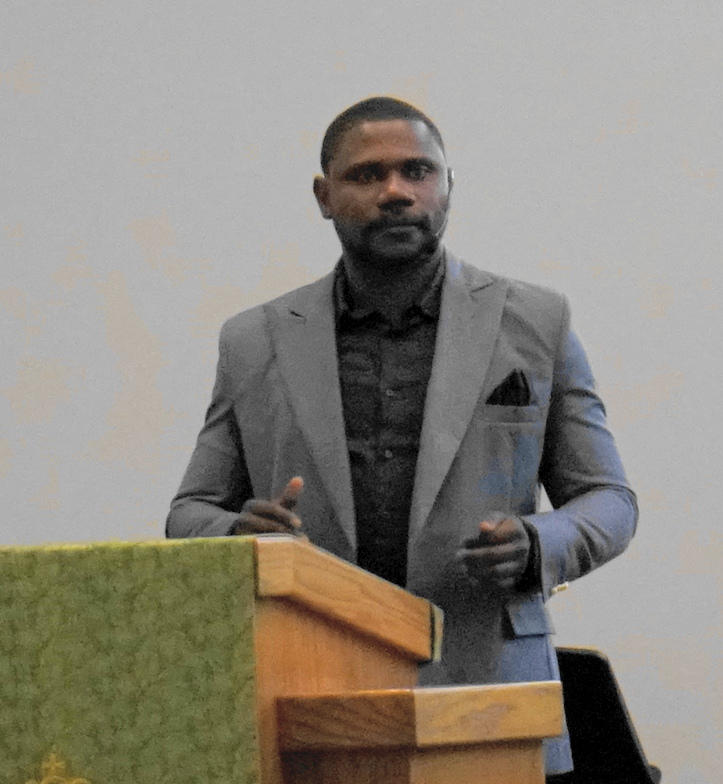
Dear Church Family, last week we talked about restoring relationships. We reflected on how Jesus teaches us to deal with conflict between brothers and sisters in the church, especially when someone sins against us, offends us, or hurts us. Today, we continue with a closely related message. And last week we talked about how to deal with conflict and restore broken relationships. Today, I would like to talk about something very important in our relationships: the role of forgiveness.
Forgiveness is not always easy. Sometimes people hurt us deeply. Sometimes the words people speak to us stay in our hearts for many years. Sometimes we try to forgive, but every time we remember what happened, the pain comes back. Sometimes we may say, “I can forgive once.” Maybe even twice. But after the same person hurts us again and again, we begin to ask, How many times should I forgive this person?
In Matthew 18:21, Peter came to Jesus and asked a very important question. He said: “Lord, how many times should I forgive my brother or sister who sins against me? Up to seven times?” Peter probably thought that forgiving someone seven times was already a lot. Perhaps Peter expected Jesus to say, “Yes, Peter, seven times is enough.” But Jesus gives him a surprising answer: “I tell you, not seven times, but seventy-seven times.”
Here, Jesus was not telling Peter to keep counting until he reaches seventy-seven. But, Jesus was teaching Peter that forgiveness should not have a limit. Forgiveness is not something we count. Forgiveness is a way of living. As followers of Jesus Christ, we are called to become forgiving people.
After answering Peter’s question, Jesus teaches us a parable about a king who wanted to settle accounts with his servants. One servant owed the king the equivalent of a million dollars, an amount that he could never repay. The servant fell on his knees before the king and begged him, saying, please “Be patient with me, and I will pay back everything.” And the king knew that the servant could never repay the money. Instead of punishing him, the king had compassion on him. He canceled the debt and forgave him.
Dear Church Family, this is a picture of God’s grace toward us. There is nothing that we can do to earn God’s forgiveness. We have all fallen short of God’s glory. Yet, because of God’s grace, love and mercy, He forgives us.
The greatest reason why we should forgive others is because we have been forgiven by God. Every time we pray the Lord’s Prayer, we say: “Forgive us our trespasses, as we forgive those who trespass against us.” We ask God to forgive us, but Jesus also reminds us that we must be willing to forgive others. If we are called forgiven people, we must also forgive others.
So, the servant who had just been forgiven a great debt went out and found another servant who owed him a much smaller amount of money. He grabbed him and demanded, “Pay back what you owe me” And the other servant fell to his knees and begged for patience. Does this sound familiar? Yes, It is almost the same thing the first servant had said to the king. But instead of showing mercy, the servant refused to forgive. He put the other servant into prison.
Dear Church Family, the question we must ask ourselves today is this: How can we receive so much forgiveness from God and refuse to forgive others? Sometimes we are like that servant who refused to forgive the other servant. We want God to forgive our mistakes. We want God to be patient with us. We want God to show us mercy. But when someone hurts us, we sometimes refuse to show the same mercy. We remember what they did. We remember what they said. We count their faults and mistakes. We hold on to the pain. And sometimes we may say, “I will never forgive that person.”
Dear Church family, forgiveness does not mean that what someone did to you was acceptable. Forgiveness does not mean pretending that you were not hurt. Forgiveness does not mean that there are no consequences for people’s actions. And forgiveness does not always mean that a relationship will immediately return to the way it was before. Sometimes trust needs time to be rebuilt. But forgiveness means that we refuse to allow anger, bitterness, and hatred to control our hearts. Forgiveness means that we give the pain to God. Forgiveness means that we choose not to seek revenge. Forgiveness means that we allow God to bring healing into our hearts. Forgiveness Brings Freedom.
Sometimes we think that when we refuse to forgive someone, we are punishing that person. But many times, the person we are hurting the most is ourselves. When we hold on to bitterness, it remains in our hearts. When we hold on to anger, it can steal our peace. When we refuse to forgive, we continue carrying a burden that God never intended for us to carry.
Dear Church family, forgiveness does not change the past. But forgiveness can change the future. Dr. Fred Luskin, author of the book, “Forgive for Good,” said: “Forgiveness is the ability to let go of the desire to change the past.” This means: “We cannot change what happened, but we can change how we carry it into the future.” Then, the Archbishop Desmond Tutu, in his book “Future Without Forgiveness,” said: “Without forgiveness, there is no future.” This also means that forgiveness makes reconciliation and a new future possible, especially after serious conflict and wrongdoing.” Forgiveness can bring peace to our hearts. Forgiveness can bring healing. Forgiveness can help us move forward. And most importantly, forgiveness can help restore relationships.
Perhaps there is someone today whom you need to forgive. Maybe it happened yesterday. Maybe it happened last year. Maybe it happened many years ago. You may have been carrying that pain for a long time. Today, Jesus is inviting us to bring that pain to Him. You do not have to carry it alone. Whenever the painful memory comes back, we can say: “Lord, I give this pain to You again.”
Conclusion
Perhaps someone has hurt you. Perhaps someone has disappointed you. Perhaps there is someone whose name is difficult for you to hear because of what they did to you. And sometimes, instead of forgiving, we carry the pain with us. We carry anger, bitterness, and resentment in our hearts. But today, Jesus teaches us about the importance and the power of forgiveness.
Before I conclude the sermon, dear Church Family, I want to ask you: Is there someone you need to forgive? Is there anger or bitterness that you need to give to God? Is there someone whose actions or words you have been carrying in your heart? If the answer is yes, please, I invite you to take a moment of silent prayer. Ask God to give you the strength and courage to forgive and to release the pain you have been carrying.
Let us take a moment of silent prayer.
Prayer:
Gracious and loving God, we thank You because You are a God of grace, mercy, and forgiveness. Thank You for forgiving us when we have fallen short. Thank You for loving us even when we have failed. Dear Lord Almighty, today we bring before You the pain we have been carrying in our hearts. Some of us have been hurt by words. Some have been hurt by actions. Some have been rejected, or betrayed.
Lord, You know our hearts. You know our pain. Give us the strength to forgive. Please Lord, we cannot do this by our own strength. Give us the grace to forgive as You have forgiven us. Heal our hearts and give us Your peace. We pray all of this in the name of the Father, and of the Son, and of the Holy Spirit. Amen.